How to Fix a Leaky Faucet: A Complete Guide
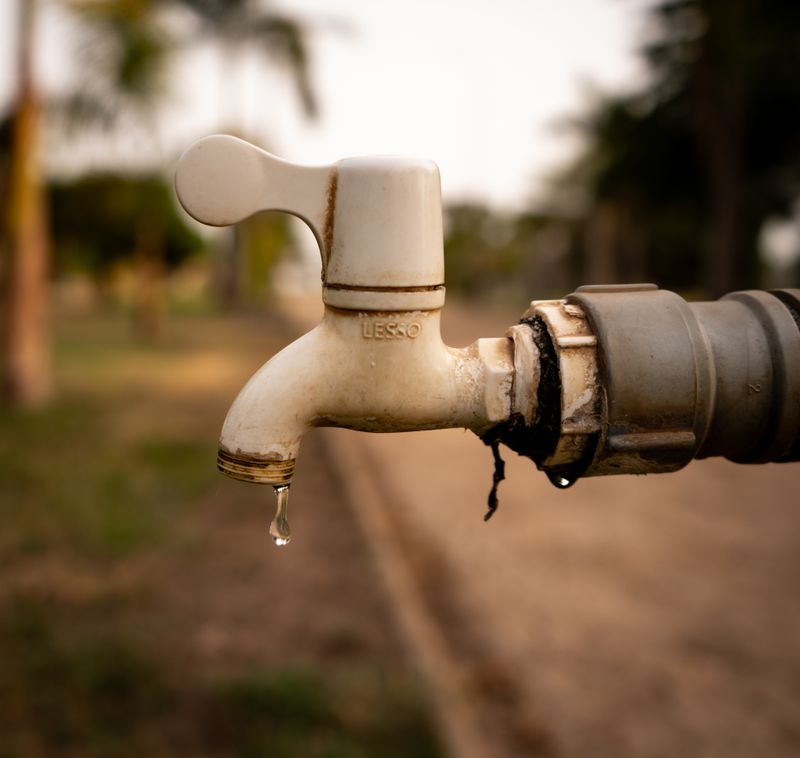
A leaky faucet is one of the most common plumbing problems in any home, and it’s also one of the most wasteful. A faucet dripping at just one drop per second wastes more than 3,000 gallons of water per year — enough to take over 180 showers. The good news: most faucet repairs are straightforward DIY jobs that require only basic tools and an hour or two of your time.
Why Faucets Leak
All faucets work by controlling water flow through some kind of internal valve mechanism. Over time, the components that create a watertight seal — washers, O-rings, cartridges, or ceramic discs — wear out, allowing water to drip through even when the handle is closed.
Identifying the type of faucet you have is the first step, because each type uses different internal components and requires a slightly different repair approach.
The Four Main Faucet Types
Compression Faucets
These are the oldest and most common design in older homes. They have separate hot and cold handles and work by pressing a rubber washer against a seat to stop water flow. When the washer wears out, the faucet drips.
Identifying features: Two separate handles; you can feel resistance as you tighten the handle to stop the flow.
Ball Faucets
Common on kitchen sinks, ball faucets use a single handle that moves over a rounded ball-shaped cap. Inside, a rotating ball controls both temperature and flow. They tend to develop leaks at the base or spout.
Identifying features: Single handle that rotates and tilts; rounded cap at the base of the spout.
Cartridge Faucets
Available in single- and double-handle configurations, cartridge faucets use a replaceable cartridge instead of loose parts. They’re common in bathrooms and are generally easier to repair than ball or compression types.
Identifying features: Smooth handle movement; no resistance when turning off; one or two handles.
Ceramic Disc Faucets
The most durable and modern design. Two ceramic discs slide against each other to control flow. They rarely wear out, but the inlet holes can become clogged with mineral deposits.
Identifying features: Single wide cylindrical body; lever handle moves up-down for volume and side-to-side for temperature.
Tools and Materials You’ll Need
- Adjustable wrench or basin wrench
- Flathead and Phillips screwdrivers
- Needle-nose pliers
- Allen wrench set
- Replacement parts (specific to your faucet type)
- Plumber’s grease
- Penetrating oil (if parts are stuck)
- Towels and a bucket
Before You Start: Turn Off the Water
Always shut off the water supply before disassembling any faucet. Look for the shutoff valves under the sink — one for hot, one for cold. Turn them clockwise until they stop. If there are no shutoff valves under the sink, use the main house shutoff.
Open the faucet handles to release residual pressure and drain any remaining water in the lines.
Fixing a Compression Faucet
- Remove the decorative cap on top of the handle (pry gently with a flathead screwdriver) and unscrew the handle screw underneath.
- Pull off the handle and use an adjustable wrench to unscrew the packing nut.
- Pull out the stem. At the bottom, you’ll find a rubber washer held by a brass screw.
- Replace the washer with an exact match (take the old one to the hardware store).
- If the seat is damaged (rough or grooved), use a seat wrench to remove and replace it.
- Reassemble in reverse order. Turn the water on and test.
Fixing a Ball Faucet
Ball faucets have many small parts, so it’s easiest to buy a repair kit for your specific faucet brand. The kit includes all the springs, seats, O-rings, and usually a new ball.
- Remove the handle by loosening the setscrew (usually an Allen screw) under the handle.
- Use pliers wrapped in tape to unscrew the cap and collar.
- Remove the cam, packing, and ball. Note how the ball aligns with the slots.
- Use a small screwdriver to remove the inlet seats and springs from the body.
- Replace all the O-rings on the body, lubricating them with plumber’s grease.
- Install new springs, seats, and ball from your kit. Reassemble and test.
Fixing a Cartridge Faucet
- Remove the handle (usually a screw under a decorative cap on top).
- If there’s a retaining clip holding the cartridge, remove it with needle-nose pliers.
- Pull the cartridge straight up and out. Note the orientation — the cartridge must go back in the same way.
- Take the old cartridge to a plumbing supply or hardware store to match it exactly.
- Install the new cartridge, making sure it’s oriented correctly.
- Reassemble the faucet and test both hot and cold.
Fixing a Ceramic Disc Faucet
- Remove the handle (Allen screw, usually underneath).
- Lift off the decorative cap and unscrew the cylinder.
- Remove the cylinder and examine the ceramic discs. If they’re cracked, replace the cylinder.
- More often, the inlet ports are clogged with mineral deposits. Soak the cylinder in white vinegar for several hours, then scrub the ports with a small brush.
- Lubricate the discs lightly with plumber’s grease before reassembling.
- Reassemble and test.
When to Call a Plumber
Most faucet repairs are within DIY reach, but call a professional if:
- The leak is coming from the wall or supply lines, not the faucet body
- The shutoff valves under the sink don’t work (they’ll need replacement first)
- The leak persists after replacing all the internal components
- There’s visible corrosion on supply lines or fittings
Preventing Future Leaks
- Don’t overtighten handles — it accelerates washer wear
- Install a water softener if you have hard water (mineral buildup is a leading cause of cartridge and disc failure)
- Replace washers and O-rings proactively during any repair, even if they look fine
- Consider upgrading old compression faucets to cartridge or ceramic disc models — they’re more durable and easier to maintain
A well-maintained faucet should last 15 to 20 years. The RIDGID 2-Piece Aluminum Pipe Wrench Set is an excellent addition to any homeowner’s toolkit for faucet and pipe work alike.
See Also
- How to Replace a Bathroom Faucet — if the faucet is too worn to repair, this guide walks through a full replacement
- How to Increase Water Pressure in Your Home — if the faucet drips but pressure seems low elsewhere, a whole-house pressure issue may be the cause
- Water Softener Installation Guide — hard water mineral deposits are a leading cause of cartridge and disc failure in faucets

Dan Rourke
Master Plumber & Founder of Flow Control HQ