How to Shut Off Water in a Plumbing Emergency
A burst pipe, failed supply line, or overflowing fixture can release hundreds of gallons of water in minutes. The difference between a small cleanup and tens of thousands of dollars in water damage often comes down to one thing: knowing how to shut the water off quickly.
This guide covers every water shutoff in your home and how to use each one.
Why You Need to Know This Now
Most homeowners don’t think about their water shutoffs until water is spraying across the bathroom. By then, you’re already in a panic. Take five minutes today to locate every shutoff valve in your home and make sure they actually work — valves that haven’t been operated in years often seize.
The Main Shutoff Valve
The main shutoff controls all water entering your home. Closing it stops flow to every fixture, faucet, appliance, and toilet simultaneously.
Where to Find It
- Inside the home: Look near where the main water line enters. This is often in the basement, crawl space, utility room, or garage — near the front wall of the home (facing the street)
- Outside near the foundation: Some homes have the main shutoff in a box buried near the foundation
- In a utility box near the street: All homes have a curb stop at the water meter — this is the ultimate backup if the interior valve fails or can’t be reached
How to Operate It
Ball valve (lever handle): Turn the handle 90° (perpendicular to the pipe) to close. Parallel to the pipe = open; perpendicular = closed.
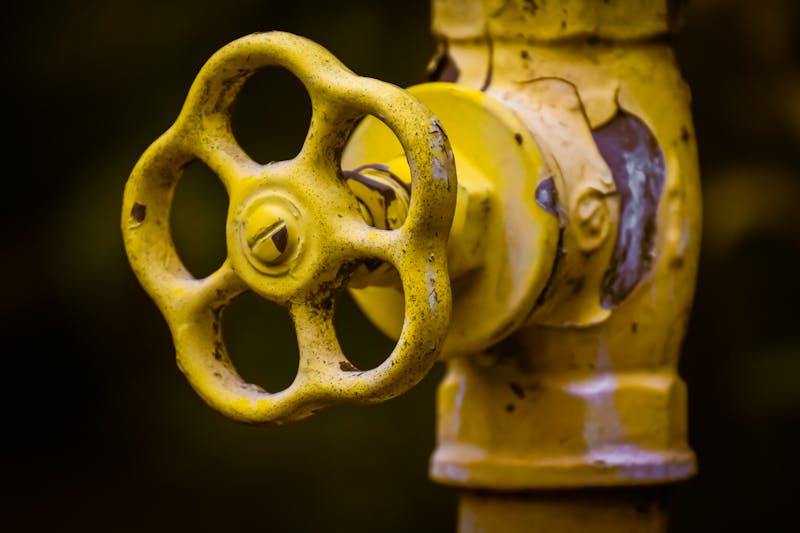
Gate valve (round wheel handle): Turn clockwise to close. These take many turns to fully close — keep turning until it stops. Gate valves are prone to seizing and can fail to fully close after years of disuse.
Test Your Main Shutoff Annually
Turn it off, confirm water stops at a faucet, then turn it back on. If the valve leaks when operated or won’t fully close, have it replaced.
If you have an old gate valve, consider upgrading to a ball valve — they’re faster to operate and more reliable. A SharkBite ball valve installs without soldering on copper, PEX, or CPVC pipe.
The Street-Side Curb Stop
At the water meter (usually in a box at the curb or sidewalk), there’s a shutoff controlled by the water utility. You can operate this with a curb key shutoff tool — a long T-shaped tool that fits the pentagon-shaped (or square) valve stem.
When to use it: If your interior main shutoff fails or is inaccessible (flooded basement, etc.), the curb stop is your backup. Some utilities restrict operation of the curb stop to company employees — check your local rules.
Individual Fixture Shutoffs
Every fixture in your home should have its own shutoff valve. These let you isolate one fixture without cutting water to the rest of the house.
Under-Sink Shutoffs
Located on the supply lines under every bathroom and kitchen sink. There’s typically one for hot and one for cold.
- Oval handle (compression valve): Turn clockwise to close
- Ball valve lever: Turn perpendicular to the pipe to close
If a faucet is leaking or a supply line bursts under your sink, these are your first line of defense.
Toilet Shutoffs
Located on the wall or floor behind the toilet, on the cold water supply line. Turn clockwise to close.
If your toilet is overflowing and won’t stop, reach behind the toilet and close this valve immediately — do not wait for the tank to stop filling.
Appliance Shutoffs
- Washing machine: Look for two valves (hot and cold) behind or beside the machine, or in a utility box on the wall. Close both valves when the machine is not in use — a washing machine supply hose failure is a leading cause of home flooding
- Refrigerator ice maker: Small valve on the cold water supply line behind the refrigerator or under the nearby sink
- Dishwasher: Supply valve typically under the kitchen sink
- Water heater: A cold water shutoff is located on the cold inlet pipe entering the top of the heater; close this to stop all water flow through the heater
Outdoor Hose Bibs
Interior shutoff valves for hose bibs are typically found in the basement or crawl space directly behind the exterior spigot. These should be closed and drained every winter.
Emergency Action Plan
If a pipe bursts or a supply line fails:
- Close the nearest fixture shutoff if you can reach it safely
- If you can’t, go to the main shutoff and close it immediately
- Open the lowest faucet in the house to drain water from the pipes and relieve pressure
- Turn off the electric water heater or set gas heater to “Pilot” — never heat an empty tank
- Call a plumber
If a toilet is overflowing:
- Close the toilet’s shutoff valve (behind the toilet)
- If that doesn’t work, lift the float inside the tank manually to stop filling
- Remove the tank lid and push the flapper down to stop water entering the bowl
If the washing machine is flooding:
- Close both supply valves behind the machine
- If you can’t reach them, go to the main shutoff
Build a Plumbing Emergency Kit
Keep these items accessible so you’re not scrambling during a crisis:
- Adjustable pliers — for operating stuck shutoff valves
- Curb key tool — for the street-side shutoff
- Pipe repair clamp — for temporary pipe burst repair while waiting for a plumber
- Duct tape and waterproof repair tape
- Flashlight
Make a Shutoff Map
Walk through your home and photograph or sketch the location of every shutoff valve. Note:
- Main shutoff location
- Individual fixture shutoffs for every sink, toilet, and appliance
- Water heater shutoff
- Irrigation shutoff
Keep this map somewhere accessible — taped inside a cabinet, saved on your phone, or given to a housesitter.
Conclusion
Knowing your water shutoffs isn’t optional — it’s basic home maintenance. Spend 30 minutes locating and testing every valve in your home before you ever need them. A slow, stiff gate valve discovered during an emergency is a disaster; discovered during a weekend walkthrough, it’s just a repair call. The few minutes you invest now could prevent tens of thousands of dollars in water damage.
See Also
- Pipe Burst Prevention and Winter Plumbing Preparation — knowing your shutoffs is step one; this guide covers how to prevent a burst from happening at all
- How to Stop a Running Toilet — the toilet shutoff valve is one of the most frequently needed fixture shutoffs
- Sump Pump Maintenance and Replacement Guide — a working sump pump is your backup defense when water does enter the home

Dan Rourke
Master Plumber & Founder of Flow Control HQ