Pipe Burst Prevention and Winter Plumbing Preparation
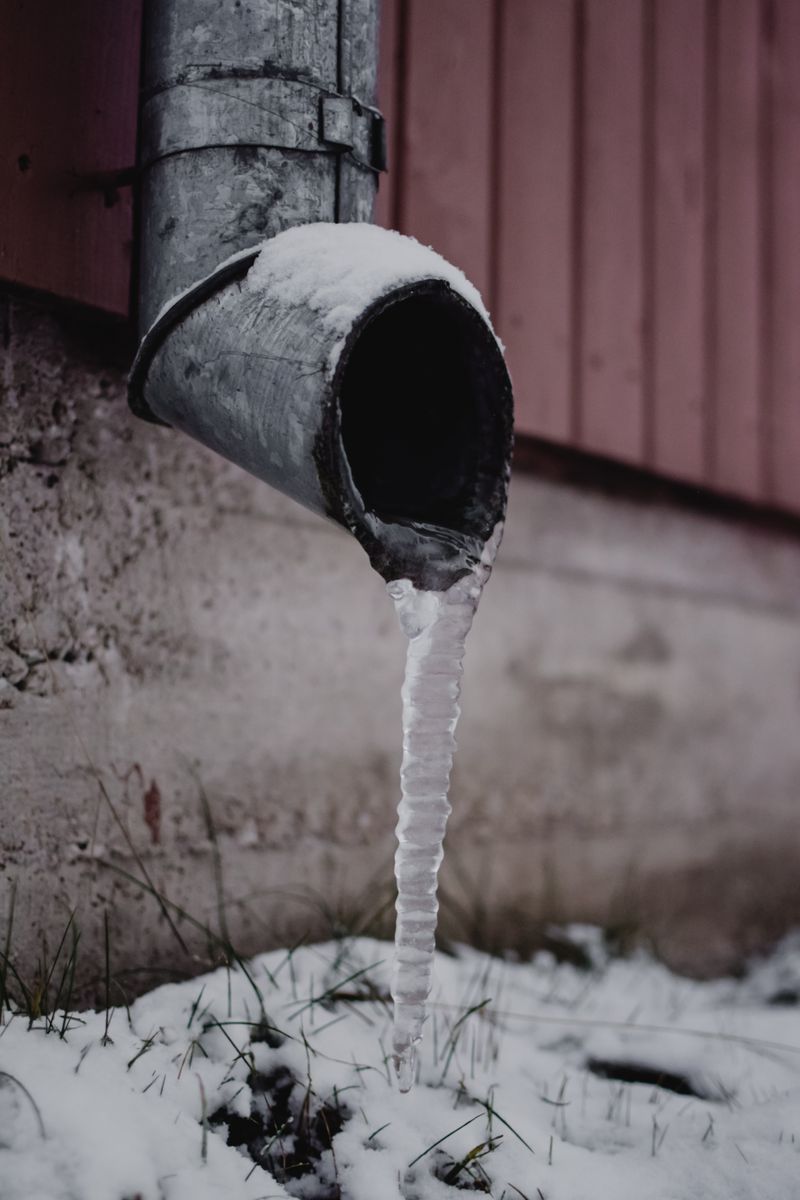
Burst pipes are one of the most costly plumbing disasters a homeowner can face. A single burst pipe can release hundreds of gallons of water in minutes, causing structural damage, mold, and repairs that average $5,000–$70,000 according to the Insurance Information Institute.
The good news: burst pipes are almost entirely preventable with the right preparation.
Why Pipes Burst
Water expands by about 9% when it freezes. Inside a sealed pipe, that expansion creates enormous pressure. The pipe doesn’t actually burst at the ice point — the pressure builds between the frozen section and a closed faucet downstream, eventually cracking the pipe when the pressure has nowhere to go.
Which Pipes Are Most at Risk
- Outdoor hose bibs (spigots)
- Pipes in unheated spaces: crawl spaces, attics, garages, and basement exterior walls
- Pipes in exterior walls with little insulation
- Pipes in cabinets along exterior walls (under sinks near outer walls)
- Pool supply lines and irrigation systems
- Vacation homes with heating turned off
Step 1: Insulate Vulnerable Pipes
Pipe insulation is cheap insurance. Foam pipe insulation sleeves slip over pipes and are secured with tape or self-adhesive backing.
For pipes in very exposed areas, use heat tape (also called heat cable) rather than foam insulation. Heat tape wraps around the pipe and plugs into an outlet, generating just enough heat to prevent freezing.
The Frost King Electric Heat Cable is thermostatically controlled — it activates automatically when temperatures drop near freezing and shuts off when they rise, saving energy.
For non-electric insulation, Armacell foam pipe insulation in 6-foot sections covers standard ½” to 1” pipes and is easy to cut and install.
Step 2: Shut Off and Drain Outdoor Hose Bibs
Before the first hard freeze:
- Disconnect and store garden hoses — a connected hose traps water in the spigot
- Locate the shut-off valve for each hose bib (usually inside the home near where the pipe exits)
- Close the shut-off valve
- Open the outdoor spigot to drain any remaining water
- Leave the spigot slightly open until it stops dripping, then close it
Frost-proof hose bibs (also called anti-siphon or freeze-proof sillcocks) are designed so the shutoff point is 6–12 inches inside the wall where it stays warm. If you don’t have them, they’re worth installing before winter.
Step 3: Winterize Irrigation Systems
Sprinkler and irrigation lines must be completely drained or blown out with compressed air before freezing temperatures arrive.
- Shut off the irrigation water supply at the main valve
- Disable the timer or controller
- Open all manual drain valves if your system has them
- For systems without automatic drains, attach a compressor to the blow-out port and use compressed air (around 50 PSI for PVC, 50–60 PSI for poly) to clear each zone, one at a time
If you’re not comfortable with the blow-out method, hire an irrigation company — it’s typically $75–$150 and worth avoiding a costly broken system.
Step 4: Protect Pipes During Cold Snaps
When temperatures drop to 20°F or below, take these additional steps:
- Open cabinet doors under sinks on exterior walls to let warm room air reach the pipes
- Let faucets drip slowly on the cold-water side of any suspect pipe runs — moving water is much harder to freeze
- Keep your thermostat set to at least 55°F, even when you’re away or on vacation
- Seal gaps and cracks in exterior walls where cold air can reach pipes
Step 5: Know Where Your Main Shutoff Is
If a pipe does burst, every second counts. Know exactly where your main water shutoff valve is before winter — it’s usually near the water meter, either inside the home (basements, crawl spaces, utility rooms) or at the street.
Practice turning it off at least once per year. Valves that haven’t been operated in years sometimes seize. A water shutoff key tool can help operate the street-side curb stop valve if needed.
If a Pipe Does Freeze
If you turn on a faucet and get a trickle or nothing, a pipe may already be frozen. Act quickly:
- Keep the affected faucet open — as the ice melts, it needs somewhere to go
- Apply heat: use a hair dryer, heat lamp, or electric heating pad on the pipe — start from the faucet end and work toward the wall
- Never use open flame (torch, candle, lighter) — this is a fire hazard and can damage pipes
- Continue applying heat until full water pressure is restored
If you can’t locate the frozen section, or if it’s inside a wall, call a plumber immediately rather than risk a burst when the pipe thaws.
Vacation Home and Seasonal Property Winterization
For properties that will sit empty through winter:
- Shut off the main water supply
- Open all faucets (hot and cold) throughout the house and let them drain fully
- Flush all toilets and add RV antifreeze to each toilet tank and bowl
- Pour RV antifreeze (non-toxic propylene glycol type) down every drain trap to prevent the P-trap from freezing
- Drain the water heater
- Have a neighbor or property manager check periodically
Conclusion
Winterizing your plumbing takes two to three hours once a year and costs very little in materials. That small investment can prevent thousands of dollars in water damage. Focus first on outdoor hose bibs and pipes in unheated spaces, insulate anything exposed, and always know where your main shutoff valve is before cold weather arrives.
See Also
- How to Shut Off Water in a Plumbing Emergency — know every shutoff in your home before a pipe freezes or bursts
- PEX vs Copper vs CPVC Pipe Comparison — PEX’s freeze-expansion properties make it a better choice in cold climates; learn how the materials compare
- Sump Pump Maintenance and Replacement Guide — if burst pipes flood your basement, a working sump pump is your first line of water removal

Dan Rourke
Master Plumber & Founder of Flow Control HQ