Toilet Installation Guide: Step-by-Step for DIYers
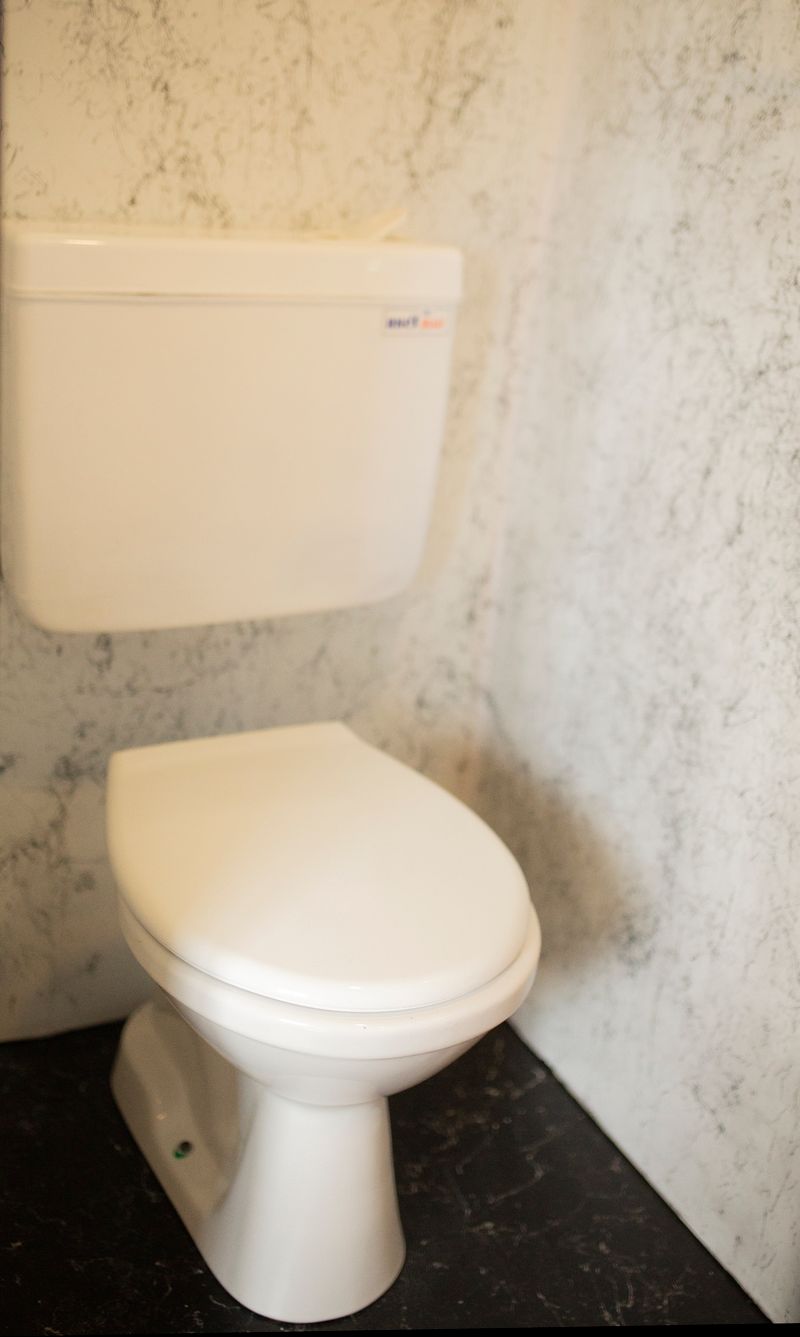
Installing a toilet is a straightforward DIY project that most homeowners can complete in two to three hours with basic tools. Whether you’re upgrading to a water-efficient model, replacing a cracked unit, or renovating a bathroom, this guide walks you through every step.
What You’ll Need
Tools:
- Adjustable wrench or channel-lock pliers
- Putty knife or scraper
- Bucket and sponge
- Level
- Utility knife
- Rubber gloves
Materials:
- New toilet (with tank, bowl, hardware, and seat — or separate)
- Wax ring (standard or with horn extension, depending on flange height)
- New closet bolts (T-bolts)
- Plumber’s putty or silicone caulk (for the base)
- Toilet supply line (if not included)
- Teflon tape
Choosing a New Toilet
Before purchasing, measure the rough-in distance — the distance from the wall behind the toilet to the center of the floor drain. Standard is 12 inches; older homes may have 10” or 14”. The toilet you buy must match your rough-in.
Also consider:
- Flush volume: 1.28 GPF (gallons per flush) is the WaterSense standard — efficient without sacrificing performance
- Bowl height: Standard height is 14–15 inches; comfort height (chair height) is 16–18 inches and easier for most adults
- Bowl shape: Round bowls fit smaller bathrooms; elongated bowls are more comfortable
A well-reviewed option is the American Standard Cadet 3 Toilet, which offers strong flush performance, 1.28 GPF efficiency, and is available in standard and elongated bowl styles.
Step 1: Remove the Old Toilet
- Shut off the water supply using the shutoff valve behind the toilet
- Flush to empty the tank — hold the handle until the tank is mostly empty
- Sponge out remaining water from the tank and bowl
- Disconnect the supply line from the bottom of the tank
- Unscrew the tank bolts (inside the tank, at the base) and lift the tank off — set it aside
- Remove the bolt caps at the base of the bowl and unscrew the nuts from the floor bolts
- Rock the bowl gently side to side to break the wax seal, then lift straight up
- Stuff a rag into the drain opening to block sewer gas while you work
Step 2: Prepare the Flange and Floor
Use a putty knife to scrape away all old wax from the floor flange and surrounding floor. Inspect the flange:
- If the flange is broken, cracked, or below floor level, repair or replace it before proceeding — installing a toilet on a damaged flange causes leaks and rocking
- If the flange sits lower than the finished floor by more than ½”, use an extender ring to bring it flush, or use a thicker wax ring
Remove the old T-bolts from the flange slots and insert new ones, positioning them so they align with the holes in the toilet base.
Step 3: Set the Wax Ring
The wax ring creates the seal between the toilet horn (the outlet at the bottom of the bowl) and the drain flange.
Two placement options:
- On the flange: Press the wax ring onto the flange around the drain opening (wax side up)
- On the toilet: Press the wax ring onto the toilet horn (wax side down) before lowering the toilet
The on-toilet method is generally easier for solo installation.
If your flange sits flush with or slightly above the finished floor, use a standard wax ring. If there’s a gap, use a wax ring with a plastic horn extension, such as the Fluidmaster 7513 Better Than Wax Ring — it’s reusable and adjustable, making it more forgiving for DIYers.
Step 4: Set the Toilet Bowl
- Remove the rag from the drain hole
- Carefully lower the toilet bowl over the floor bolts, aligning the holes in the base with the bolts
- Press down firmly and evenly — do not rock side to side, as this distorts the wax seal
- Sit on the toilet to press the wax fully against the flange (yes, really)
- Install the washers and nuts on the floor bolts and hand-tighten, alternating sides to pull the bowl down evenly
- Use a wrench to snug the nuts — do not overtighten, as this can crack the porcelain
- Use a hacksaw to cut off excess bolt length above the nuts, then install the bolt caps
Check with a level in both directions. If the toilet rocks, shim with plastic toilet shims and score off any that protrude.
Step 5: Install the Tank
Most two-piece toilets have a rubber gasket that seals the tank to the bowl:
- Place the large rubber donut gasket on the bottom of the tank
- Lower the tank onto the bowl, aligning the bolt holes
- Insert the tank bolts through the holes from inside the tank
- Tighten the nuts underneath the bowl — alternate sides and stop when snug (overtightening cracks the tank)
One-piece toilets skip this step.
Step 6: Connect the Supply Line and Test
- Connect the supply line to the fill valve at the bottom of the tank — hand-tighten, then snug with pliers (¼ turn past hand-tight)
- Connect the other end to the shutoff valve
- Slowly open the shutoff valve and watch for leaks at all connections
- Let the tank fill completely
- Flush several times and check the base for any wax seal leaks
A braided stainless steel toilet supply line is far more durable than plastic lines and won’t crack or burst from age.
Step 7: Caulk the Base
Apply a thin bead of silicone caulk around the base of the toilet where it meets the floor, leaving the back unsealed. This prevents water from getting under the toilet and allows you to detect any leak from the wax ring (which would appear at the back gap) before it causes hidden damage.
Step 8: Install the Seat
Toilet seat installation simply involves pressing the seat into the hinge mounts and tightening the bolts from below — a two-minute task.
Conclusion
With a few basic tools and a methodical approach, toilet replacement is a satisfying DIY project that typically saves $150–$300 in plumber labor. The wax ring is the most critical step — take your time lowering the toilet and pressing it firmly to ensure a lasting seal. Once you’ve confirmed no leaks after several flushes, you’re done.
See Also
- How to Stop a Running Toilet — before replacing the entire toilet, confirm the problem isn’t a simple flapper or fill valve issue
- How to Shut Off Water in a Plumbing Emergency — know where the toilet shutoff valve is before starting installation
- Bathroom Renovation Plumbing Guide — if you’re installing the toilet as part of a larger bathroom remodel, this guide covers rough-in requirements and sequencing

Dan Rourke
Master Plumber & Founder of Flow Control HQ